
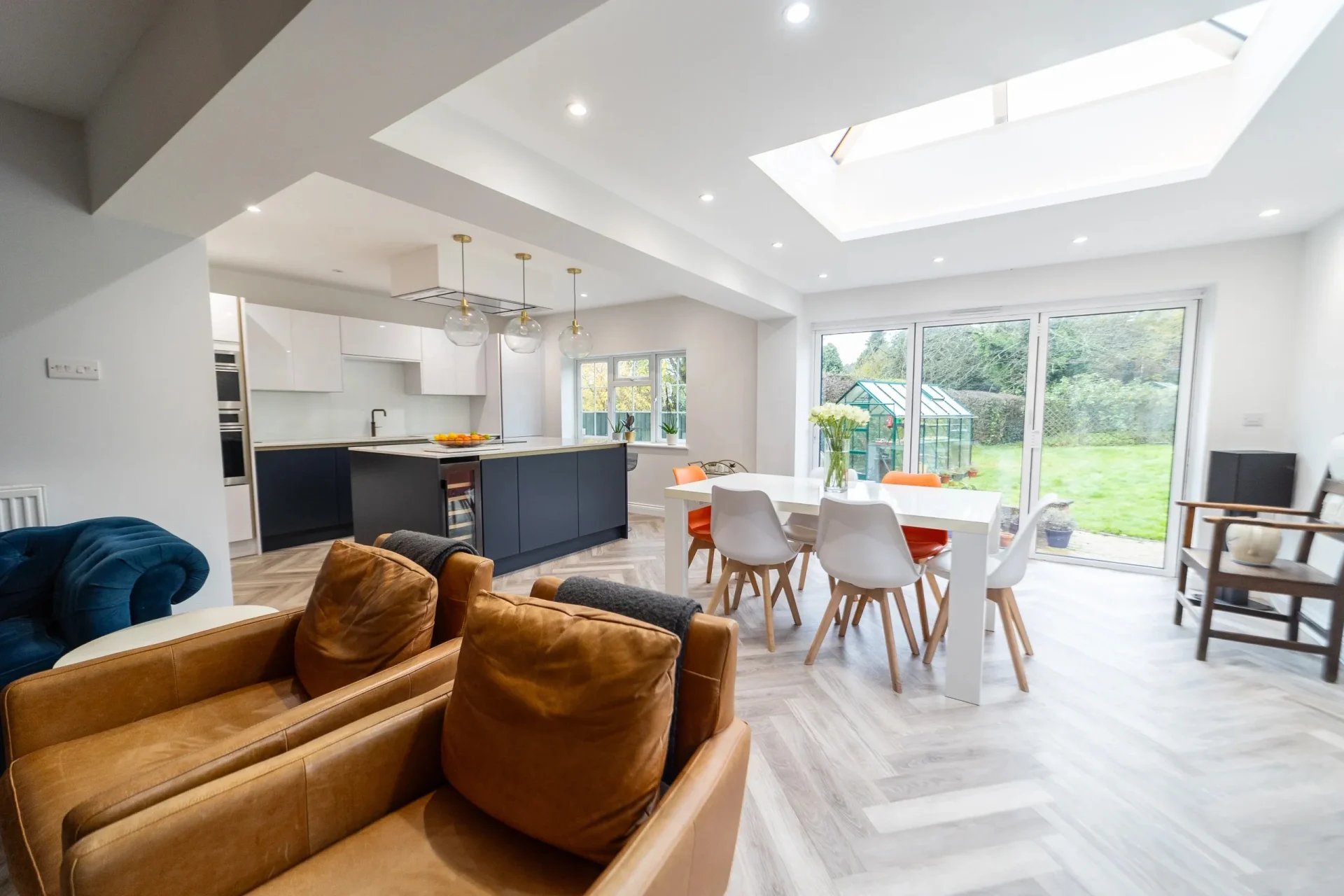
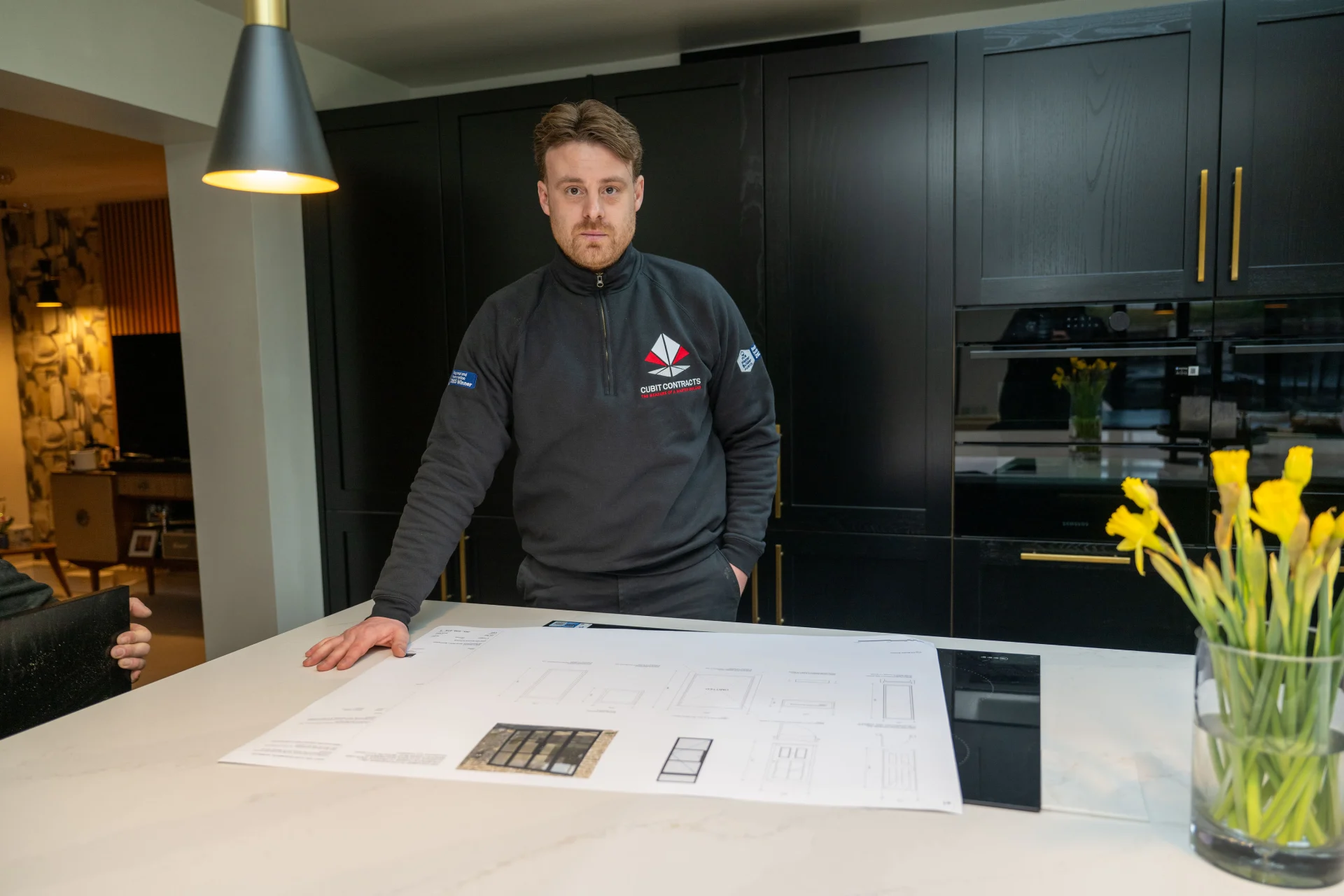
A realistic homeowner’s guide to budgets, specifications, and what affects the final price.
If you are planning a house extension, cost is usually the first big question. Online estimates can be helpful, but they often miss the details that make the biggest difference, such as ground conditions, structural work, glazing, and the level of finish. In the West Midlands, extension pricing in 2026 still varies widely, but with the right assumptions you can build a realistic budget and avoid nasty surprises later.
This guide explains typical extension costs, why two extensions of the same size can have very different totals, and how to plan a sensible budget for your home. If you want a rough starting point, many homeowners now use a cost per square metre range, then refine it once the layout, specification, and site constraints are clearer.
Typical house extension costs in 2026
In 2026, many single storey extensions land somewhere within these broad ranges, depending on specification and complexity.
- Entry level specification: around £1,800 to £2,500 per m².
- Mid range specification: around £2,500 to £3,500 per m².
- High specification: around £3,500 to £4,500+ per m².
These figures are not a quote, they are a guide to help you plan. They can move up or down depending on your design, your home, and the finish level you choose. A 30 m² single storey extension might therefore fall anywhere from roughly £54,000 to £135,000+, with premium kitchen led projects often at the higher end, especially where there is extensive glazing and structural steelwork.
Costs by extension type
Rear extensions
Rear extensions are common because they create meaningful space and can transform how the ground floor works. They are often used for open plan kitchen diners, family rooms, and improved access to the garden.
- Typical range: £2,200 to £3,500 per m².
- Often includes: reconfiguration of the existing kitchen, removal of walls, and new glazing.
Kitchen extensions
Kitchen extensions can sit at the higher end because kitchens and finishes can account for a large proportion of the overall spend. Features like roof lanterns, underfloor heating, and large sliders can lift the budget quickly.
- Typical range: £2,800 to £4,500 per m².
- Budget drivers: kitchen specification, glazing, lighting, and joinery.
Double storey extensions
Double storey extensions can offer good value per m² because the cost of foundations and the roof is spread across two floors. They can be a strong option when you need an extra bedroom, an office, or a bathroom as well as ground floor space.
- Typical range: £2,200 to £3,200 per m².
- Key consideration: structural integration with the existing house, and roofline design.
Wraparound extensions
Wraparound extensions combine a rear extension with a side return or side extension. They can create dramatic open plan layouts, but they can be more complex due to structure, drainage, and the amount of external wall removed.
- Typical range: £3,000 to £4,500+ per m².
- Key consideration: increased structural steelwork and more complex roof detailing.
What affects the cost of a house extension?
Most pricing differences come from a handful of areas. Understanding them early will make your budget far more reliable.
1. Foundations and ground conditions
Every extension starts below ground. If the soil conditions are poor, the site is sloped, or there are nearby trees and drainage runs, foundations can become deeper or more complex. That can increase excavation, concrete, and labour. A straightforward site usually stays within the expected range, but a difficult site can push the budget upward quickly.
2. Structural changes to the existing house
Many extensions are not just “add a room” projects. Homeowners often want open plan layouts, wider openings, and improved flow. That can mean removing load bearing walls, installing steel beams, and upgrading supports. Structural steelwork is common in modern layouts, and it is one of the biggest reasons two projects of the same size can cost very different amounts.
3. Glazing and doors
Large doors and modern glazing create a beautiful connection to the garden, but they can be expensive. The difference between standard uPVC doors and high quality aluminium sliding systems can be substantial. Corner glazing, slim frames, and oversized panels also affect structural requirements, which can add further costs beyond the windows and doors themselves.
4. Roofing choices
Flat roofs, pitched roofs, and hybrid designs all have different cost implications. Flat roofs can suit modern extensions and allow roof lights, but the detailing matters. Pitched roofs can match the original style, but may require more structure and roof covering. Roof lanterns and large roof lights often add significant cost, but they can also deliver the “wow” factor many homeowners want.
5. Heating, electrics, and plumbing
Underfloor heating, additional radiators, relocating pipework, and upgrading electrics can all influence the budget. If your existing consumer unit needs upgrading, or if you are moving a kitchen and adding multiple new circuits, it is sensible to allow for that early. Bathrooms, utility rooms, and wet zones also increase plumbing complexity.
6. Internal finishes and specification
Finishes are where budgets often expand. Flooring, plastering, decoration, lighting, joinery, and fitted storage all add up. A premium build typically includes higher quality materials, bespoke joinery, and a more detailed finish. It is also common for homeowners to upgrade the adjoining areas to match the new space, which is a sensible choice, but it does need to be budgeted.
Extra costs people forget to include
When homeowners budget, they often focus on the build cost and overlook professional fees and enabling works. Here are common extras to consider.
- Architectural drawings and design development.
- Structural engineer calculations and inspections.
- Planning applications and any associated surveys where required.
- Building regulations approval and inspections.
- Party wall matters, where applicable.
- Drainage alterations, manhole relocations, and external works.
- Temporary kitchen arrangements, especially for kitchen led extensions.
- Decoration and upgrades to adjoining rooms to match the new space.
A practical way to plan is to create a complete budget that includes build costs, professional fees, and a contingency. Many homeowners allow around 10 percent contingency for unknowns, particularly where the existing house may reveal surprises once work starts.
How to keep your extension on budget
Staying on budget is usually about decision making and planning, not cutting corners. A few steps help massively.
- Agree your priorities early. Decide what matters most, such as glazing, layout, or kitchen specification.
- Reduce major changes during the build. Late design changes can cause delays and additional labour.
- Choose a specification level and stick to it. It is easy to upgrade multiple small items and inflate the total.
- Plan for the adjoining areas. If you want the whole ground floor to feel consistent, include it in the budget from the start.
- Work with an experienced builder. Good planning, clear communication, and realistic staging reduces costly surprises.
How to set a realistic budget for your home
If you are early in the process, start with the size of the extension in square metres and use a range that matches your desired finish. Then refine the budget with the items that move the needle most, such as glazing type, roof lights, level of open plan structural work, and kitchen specification. At that stage you will have a far more realistic number than any generic online estimate.
If you are planning a house extension in the West Midlands, it is worth speaking to a builder early. You will get practical guidance on feasibility, likely structural requirements, and cost drivers for your property, which makes design decisions easier and helps avoid costly redesign later.
Next step: If you would like advice on extension options, design considerations, and a realistic budget based on your goals, get in touch to arrange an initial conversation.